Table of Contents
- – The Crucial Importance of Language in Treatment
- – Individual Counseling in Several Languages
- – Couples Therapy Across Social and Linguistic D...
- – Modern Counseling: Honoring Varied Perspectives
- – Cognitive Behavioral Treatment in Multilingual...
- – Dialectical Behavior Therapy for Psychological...
- – Interior Household Solutions and Somatic Treat...
- – Accessing Culturally Responsive Mental Healthcare
In a progressively varied culture, the capability to receive mental health and wellness care in one's native language stands for more than convenience-- it's an essential aspect of efficient treatment. Heart n Mind in Canada exemplifies the growing acknowledgment that multilingual psychotherapy solutions are essential for providing culturally receptive, easily accessible psychological wellness assistance to people, pairs, and families browsing life's difficulties across social and etymological boundaries.
The Crucial Importance of Language in Treatment
CBTLanguage forms not just exactly how we communicate but just how we assume, feel, and procedure emotions. When clients take part in treatment in their 2nd or third language, they may struggle to access the nuanced emotional vocabulary required to explain complicated inner experiences. This linguistic obstacle can accidentally limit the deepness of restorative job, especially when processing injury, exploring family-of-origin characteristics, or articulating subtle relational patterns.
Multilingual psychotherapy recognizes that the language in which we initially learned to name our emotions typically stays the most straight pathway to authentic psychological expression. For lots of immigrants, refugees, and multilingual people, the capacity to alternative in between languages throughout treatment sessions-- or to conduct entire sessions in their favored language-- creates a degree of mental security and credibility that monolingual services can not duplicate.
Waterloo, OntarioStudy regularly demonstrates that customers dealing with therapists who talk their native language record stronger restorative alliances, better therapy adherence, and much more favorable end results. This benefit extends past simple translation to include cultural expressions, expressions, and principles that might not have direct equivalents across languages.
Individual Counseling in Several Languages
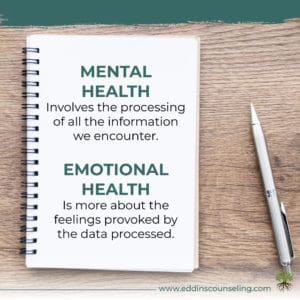
Individual therapy creates the keystone of psychological wellness therapy, supplying a personal area for individual expedition, sign management, and growth. When performed in a customer's native language, private treatment can access deeper layers of experience that could continue to be hidden behind the safety obstacle of a 2nd language.
Multilingual specialists bring cultural competence that expands beyond language efficiency. They understand exactly how various cultures conceive mental health and wellness, share distress, and strategy help-seeking actions. This cultural-linguistic knowledge allows therapists to recognize culturally details presentations of anxiety, clinical depression, and various other mental wellness issues that could be misinterpreted via a Western-only lens.
For individuals navigating acculturation stress and anxiety, identity advancement throughout societies, or the facility emotions bordering migration experiences, multilingual specific therapy supplies a distinct space to integrate multiple cultural identities. Customers can discover just how their heritage culture and taken on culture interact, in some cases causing problem and other times producing rich opportunities for growth and expanded viewpoints.
Couples Therapy Across Social and Linguistic Divides
Couples therapy handles added intricacy when partners come from different social backgrounds or when the language spoken at home varies from the dominant language of their embraced nation. Multilingual couples treatment addresses these distinct obstacles while assisting partners enhance their relationship, improve interaction, and browse conflicts efficiently.
Several modern pairs discover that considerable elements of their partnership dynamics are rooted in social distinctions around family participation, interaction designs, gender duties, and parenting techniques. A multilingual therapist who understands these cultural contexts can help pairs identify when disputes stem from social differences versus personal incompatibilities, developing area for shared understanding instead of judgment.
The capability to code-switch throughout pairs sessions-- permitting each partner to share themselves in their most comfortable language when needed-- can be transformative. This linguistic flexibility makes sure that both companions feel equally listened to and understood, avoiding the power inequalities that can arise when one partner needs to always interact in a non-native language.
Modern Counseling: Honoring Varied Perspectives
After many years and different therapists, I am finally seeing positive progress with Anna. I am so thankful she was recommended to me.
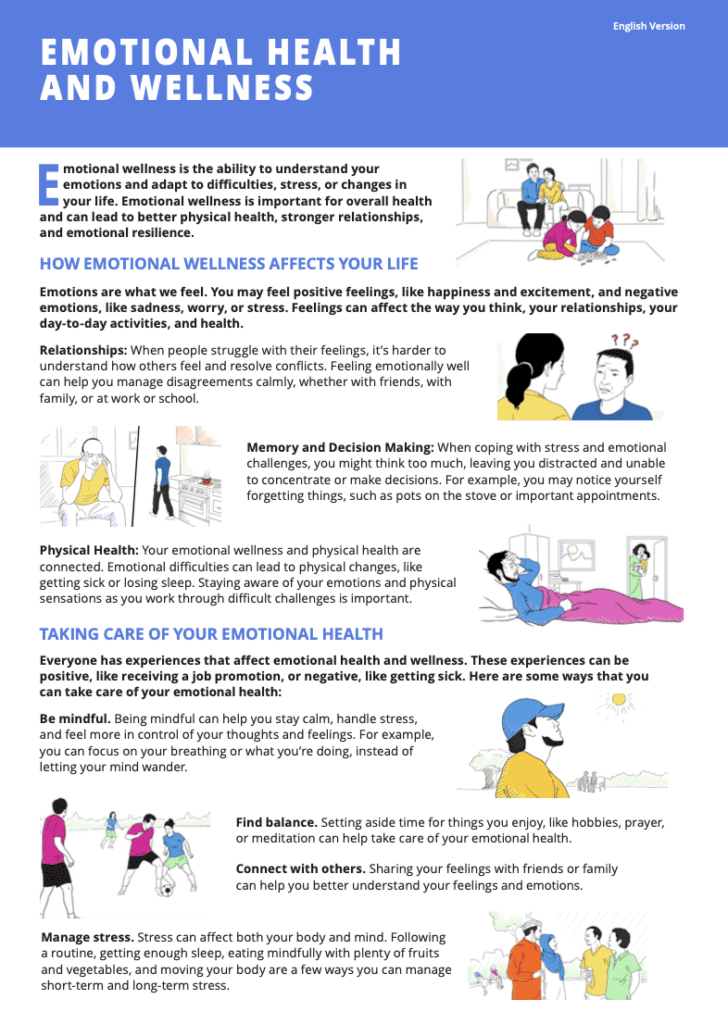
Modern therapy represents a therapeutic method that actively integrates clients' social identities, worths, and worldviews right into treatment. This structure acknowledges that culture exceptionally affects how people comprehend themselves, associate with others, and conceive mental health and wellness and health.
Efficient multicultural counseling requires therapists to analyze their own social biases and assumptions while creating genuine interest concerning customers' cultural experiences. For multilingual therapists, this cultural humbleness incorporates with linguistic ability to create genuinely comprehensive healing atmospheres where clients do not need to discuss or translate their cultural experiences with a Western structure.
This approach proves specifically beneficial for people browsing numerous cultural identifications, experiencing discrimination or marginalization, or fighting with the mental effect of leaving their home countries. Modern therapy acknowledges the real-world contexts that shape psychological health, including systemic barriers, migration stress and anxiety, and the ongoing settlement of identification across cultural contexts.
Cognitive Behavioral Treatment in Multilingual Contexts
Cognitive Behavior Modification (CBT) concentrates on recognizing and customizing assumed patterns and actions that contribute to emotional distress. When delivered in a customer's native language, CBT ends up being much more accurate and reliable because the cognitive restructuring job depends greatly on identifying subtle idea distortions and creating different viewpoints.
Multilingual CBT experts recognize that automated thoughts-- the fast, commonly unconscious cognitions that influence feelings-- usually occur in one's mother tongue. By carrying out CBT because language, therapists can a lot more efficiently determine and challenge these ideas at their source instead of overcoming the filter of translation.
Cultural adjustments of CBT for diverse populations have actually demonstrated the importance of aligning cognitive restructuring collaborate with social worths and beliefs. What makes up a "" handy thought"" or an "" flexible habits"" may vary considerably throughout societies, needing therapists to adapt common CBT methods while keeping the healing strategy's empirical foundation.
Dialectical Behavior Therapy for Psychological Law
Dialectical Actions Therapy (DBT) educates concrete abilities for taking care of intense feelings, tolerating distress, enhancing partnerships, and preserving mindfulness. The structured nature of DBT abilities educating makes it especially amenable to multilingual distribution, as the details methods can be taught and practiced in any kind of language.
Nonetheless, the thoughtful foundation of DBT-- which draws from Zen Buddhist principles of mindfulness and approval-- may resonate differently throughout cultures. Multilingual specialists can draw links between DBT principles and principles from customers' cultural or religious histories, making the abilities really feel extra available and directly appropriate.
For individuals from collectivist cultures, DBT's social effectiveness module can be adjusted to resolve the certain challenges of preserving cultural worths around household commitment while additionally establishing suitable boundaries. The capability to review these subtleties in one's indigenous language allows for more innovative exploration of how to balance completing social assumptions.
Interior Household Solutions and Somatic Treatment
Interior Household Equipment (IFS) therapy conceives the mind as made up of numerous "" parts"" with different roles, emotions, and point of views. This restorative technique can be especially effective in multilingual contexts, as customers commonly find that various parts of themselves are connected with different languages or cultural identities.
As an example, a customer might discover that their "" crucial component"" speaks in their parents' native language, while their "" certain component"" uses the language of their embraced country. Multilingual IFS therapy permits clients to discussion with these components in whatever language feels most authentic, helping with deeper accessibility to interior experiences and more effective interior communication.
Somatic treatment emphasizes the body's duty in keeping and processing psychological experiences. Since body feelings transcend language, somatic strategies can be specifically useful in multilingual treatment setups. The language utilized to describe and explore bodily experiences still matters dramatically-- clients often have more nuanced vocabulary for body experiences in their native language.
The assimilation of somatic awareness with multilingual capability permits therapists to help clients see just how language-switching affects their physical state, how cultural experiences are held in the body, and exactly how reconnecting with one's indigenous language can assist in accessibility to emotional material that has actually been somatically stored.
Accessing Culturally Responsive Mental Healthcare
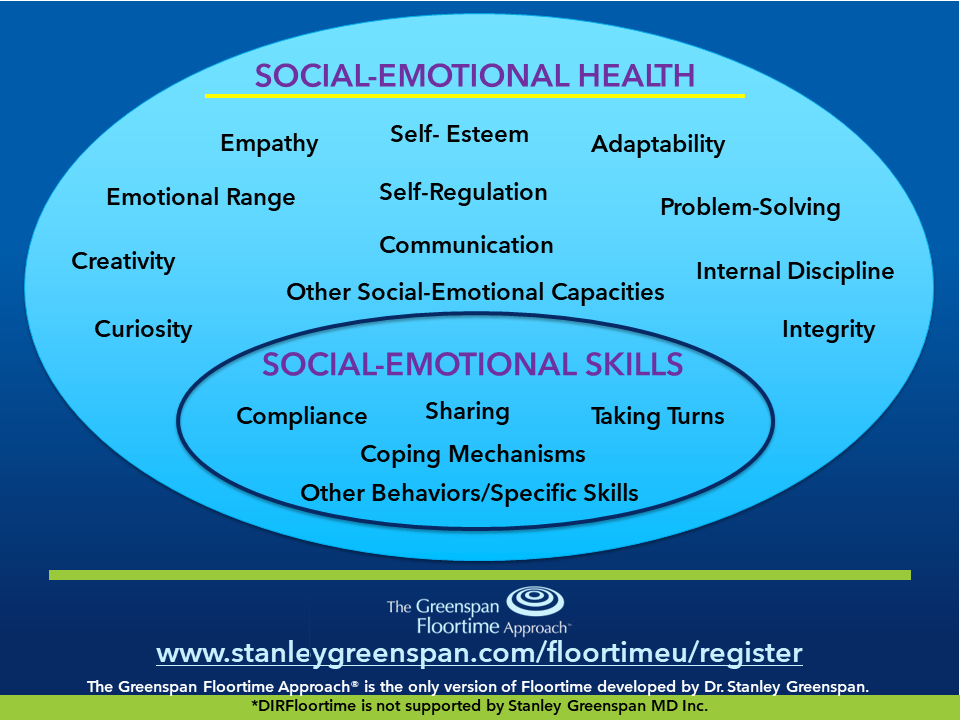
The accessibility of multilingual psychotherapy services represents a significant innovation in psychological health access and equity. Practices offering solutions in several languages acknowledge that efficient mental healthcare must be both linguistically and culturally receptive to offer progressively varied communities.
When looking for multilingual therapy services, consider not just language capacity but also specialists' social skills, training in evidence-based techniques, and experience functioning with customers browsing cross-cultural experiences. The combination of linguistic availability, social understanding, and professional competence creates the structure for transformative therapeutic work that honors all elements of your identification and experience.

Table of Contents
- – The Crucial Importance of Language in Treatment
- – Individual Counseling in Several Languages
- – Couples Therapy Across Social and Linguistic D...
- – Modern Counseling: Honoring Varied Perspectives
- – Cognitive Behavioral Treatment in Multilingual...
- – Dialectical Behavior Therapy for Psychological...
- – Interior Household Solutions and Somatic Treat...
- – Accessing Culturally Responsive Mental Healthcare
Latest Posts
Integration of Dynamic Methods with Attachment Theory for Comprehensive Care
Clinical Training in EMDR therapy for Practitioners
Digital Anxiety Programs for OCD Therapy
Navigation
Latest Posts
Integration of Dynamic Methods with Attachment Theory for Comprehensive Care
Clinical Training in EMDR therapy for Practitioners
Digital Anxiety Programs for OCD Therapy