Table of Contents
If you're grieving, remember this: your despair reflects the deepness of your link. It's not something to "overcome" but instead to relocate through, lugging your love and memories onward into a life that, while for life changed, can still hold definition and joy.
Despair is an all-natural psychological response to loss. Regreting is a process that can assist you involve terms with a loss, such as when a liked one passes away. Everyone experiences sorrow in different ways. Your experience of grief and how you deal with it will certainly depend on different factors. These may include your age, previous experiences with pain and your spiritual or religious views.
Awaiting pain suggests sensation sad prior to the loss happens. Instead than regreting for the individual, who is still with you, you might feel grief for the things you won't get to do together in the future. When encountering a substantial loss, such as the death of a liked one, it is all-natural to feel many strong emotions.
Individuals identified with a terminal disease and those dealing with the death of an enjoyed one might experience anticipatory pain., you might experience several emotions consisting of shock, fear and sadness.
What EMDR Sessions Creates for Healthcare & Medical Professionals Professionals in San Francisco
You regret shed opportunities or experiences you'll miss out on also tiny ones, such as the satisfaction of the sunshine or a hot mug of coffee. If somebody you like is encountering a terminal ailment, it is usual to experience anticipatory sorrow in the months, weeks and days prior to fatality. You may regret the same things your loved one is mourning, or various losses entirely.
You may feel anticipatory pain If your liked one is puzzled or subconscious for a very long time (e.g. with delirium or mental deterioration). You might really feel that the individual you recognized is already gone, even if they are still physically there. If your loved one has a decrease in physical wellness or movement, you may feel awaiting sorrow as you lose the possibility to share experiences, such as pastimes, holidays or events.
This is specifically real if you spend a great deal of time taking care of the person. You may miss tasks you utilized to enjoy together and really feel sorrow about the modification in your relationship. The nature of your relationship may transform as you handle a carer's function, or end up being the one being cared for.
Feelings of despair before death are normal it's crucial to recognise them, and to talk concerning them. Experiencing anticipatory despair doesn't always indicate that you will certainly regret your enjoyed one any kind of less after they are gone.

In reality, we do not experience feelings of grief one at a time or in a specific order. You might experience these points because they are all regular sensations of despair.
It's normal to really feel other things too, such as shock, anxiety, fatigue, or guilt. Some people really feel numb after the death of an individual they cared about. They might even try to lug on as though nothing has occurred. If you experience this, maybe because it's simply also tough to think that the individual you understand so well is not coming back.
What to Look For in a EMDR Practitioner Who Gets Healthcare & Medical Professionals Specialists
Perhaps they promise themselves that they will certainly currently constantly do (or not do) something, thinking that it might make the person who has passed away come back. Or maybe they believe it will certainly stop anybody else passing away or various other bad points happening. This is in some cases called 'wonderful thinking'. Individuals may likewise find that they keep going back over the past and ask great deals of 'what happens if' concerns, wanting that they could go back and change points so that they might have ended up in a different way.
These sensations can be extremely extreme and painful, and they may come and go over many months or years. The majority of people find that excruciating feelings like this ended up being much less solid over time. If you do not feel this holds true for you, after that you must request assistance.
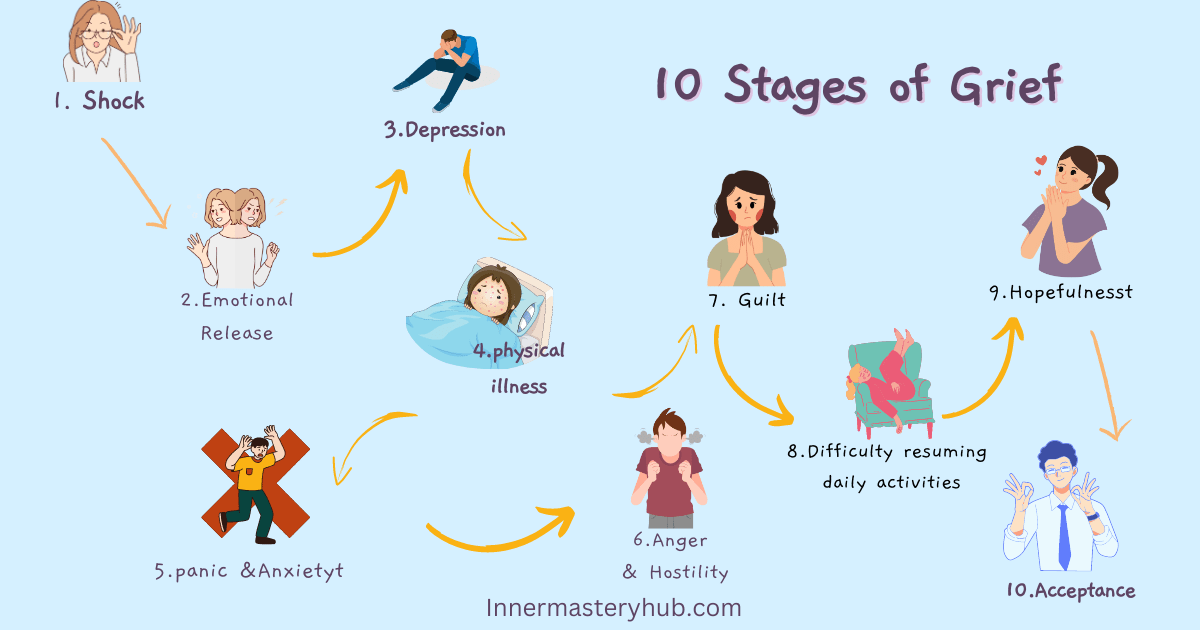
Her version ended up being extensively approved as a means to comprehend pain, but with time, despair counsellors and scientists expanded upon it, leading to the advancement of the. This extended design integrates extra emotional actions that people may experience: The initial response to loss frequently brings shock and shock. This stage acts as a protective device, allowing us to take in the reality of our loss in manageable doses.
:max_bytes(150000):strip_icc()/4175361_color1-5c3b9069c9e77c0001c6c85f.png)
As the shock discolors, deep psychological discomfort sets in. Sensations of regret or regret might arisewondering if you might have done something in different ways, or feeling sorrow over things left unsaid. It's vital to acknowledge these feelings rather than reduce them. Sorrow can materialize as angertoward on your own, others, and even the individual who has actually passed.

Navigation
Latest Posts
Understanding Sustainable Results of Quality Services Through Trauma Therapy
Understanding Insurance Benefits for Somatic Therapy
Telehealth Benefits in Singapore